Ten Weeks
Week 6

Sunday March 15
Titchwell, just after 8 a.m. There’s no one around. The birds are sparse, too: it’s the in-between time. Most of the winter migrants have left; most of the spring migrants haven’t arrived.
We walk out to the beach. North or south, there’s no one as far as the eye can see. Oystercatchers, dunlins, sanderlings at the tideline. Too early even for dog walkers.
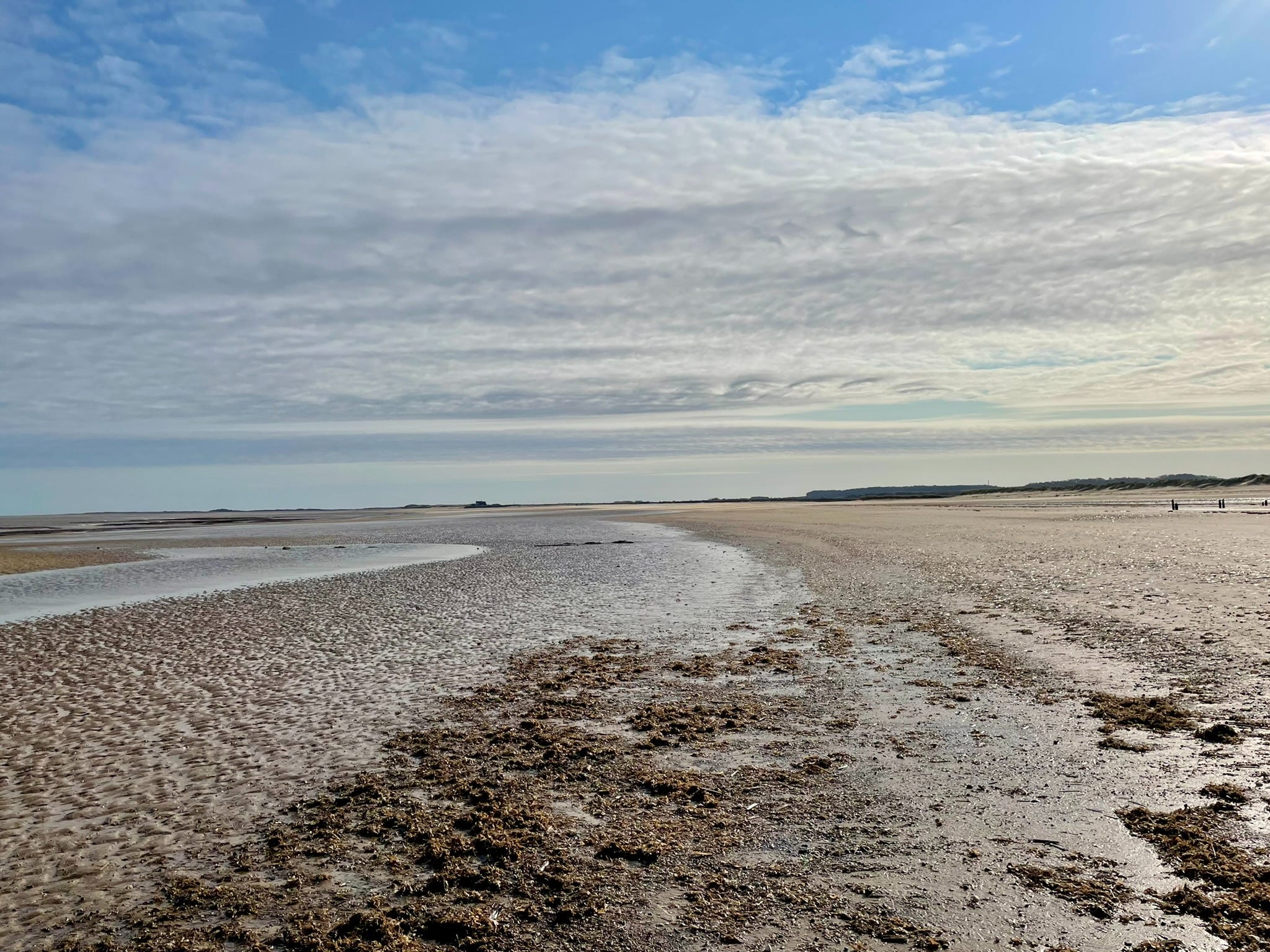
A gaggle of Brant geese fly into Thornham marsh, tidy in their black-and-white. Watching the geese through my binoculars, I pan over one of the military structures still present out on the marsh. The quiet of this coast must have been shattered throughout WWI, and again in WWII, when the marshes were a RAF bombing range and, in the second world war, a tank training facility.
Before and between the wars, these too were grazing marshes first dyked againt the sea in the late 1700s, until the storm of 1953 broke through the sea defences and flooded the land with salt water. I think of the birds on the grazing marsh at Holme, the wigeon and curlew and godwits, the shelduck and teal and snipe. Where did they go, when the shells fell?
The salt-saturated land waited. In the first years of the 1970s, a pair of Montagu’s harriers nested here, prompting the RSPB to buy the land, transforming it back into the series of marshes and scrapes it is today, attracting marsh harriers and avocets, beaded reedlings and bitterns. From one of the hides, I look out at the freshwater scrape, a mix of low-lying islands and shallow water. On the closest bit of land are four birds. Plovers. Ringed plovers. Except two are bigger than the other two . . . and when the smaller ones fly, there’s no white on the wing. Little ringed plovers!
Tea and a toasted teacake at the cafe in celebration, and home again to work on the second draft of An Unwise Prince. Now I know the characters better, I can deepen interiority, and move some bits of backstory that I didn’t learn until well into the book closer to the beginning.
Monday March 16
A working day: editing, preparing for my writing group. I take a break to walk over the common to Sandringham visitor’s centre, planning on a cup of coffee. The centre’s closed for renovations of some sort, so I do without the coffee.
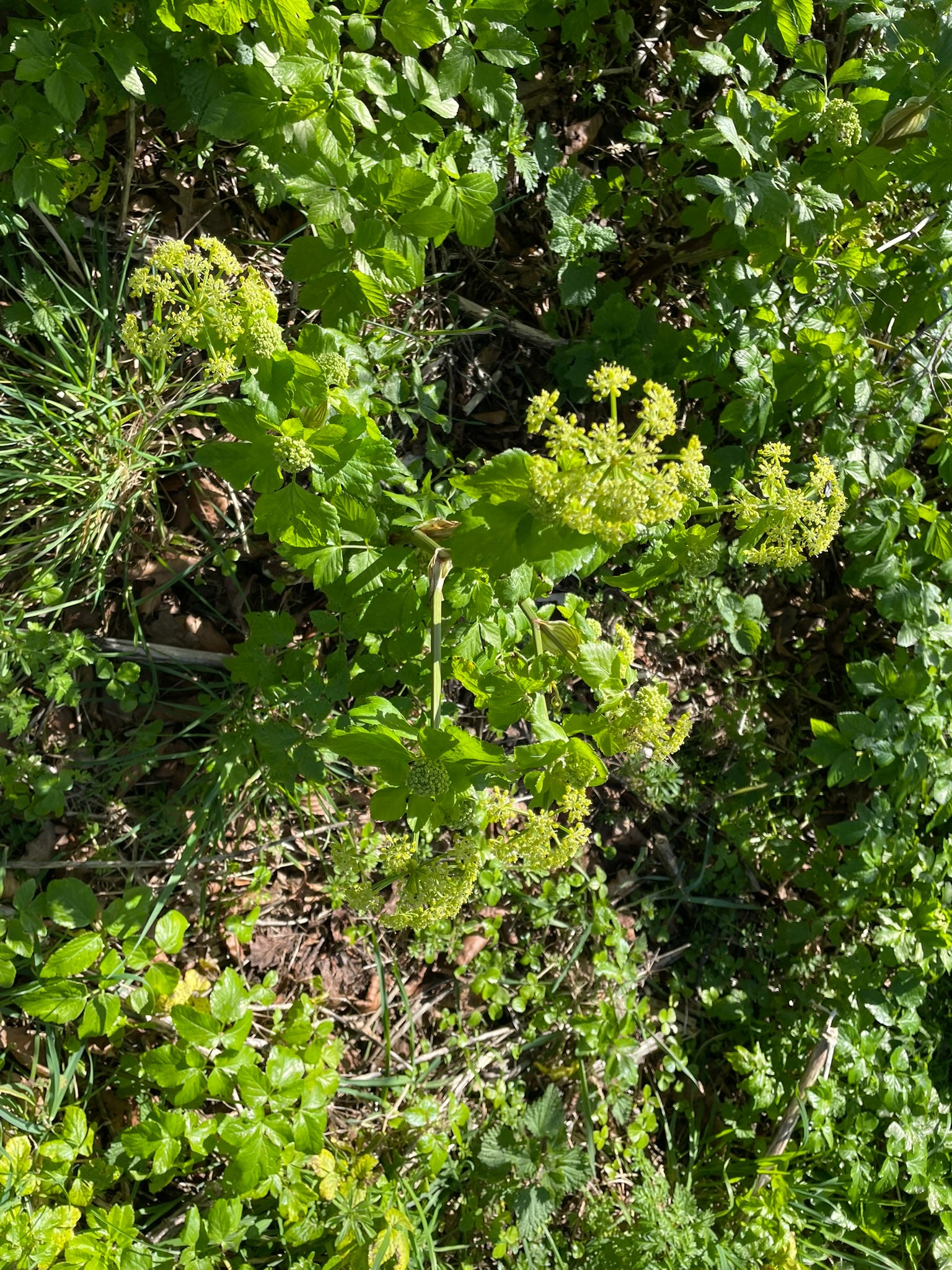
I make a loop of the walk, coming back along a footpath that runs between two paddocks and then turns to parallel a boundary ditch, back to the common. Alexanders (Smyrnium olusatrum) is in flower. Generally considered to have been brought by the Romans as a food plant, it now dominates verges here, probably due to milder winters not suppressing it.
It’s a glorious 16 degrees today, and butterflies - brimstone, fritillary, peacock - are fluttering along hedges and gardens, along with bumblebees and honeybees and hoverflies.
Tuesday March 17
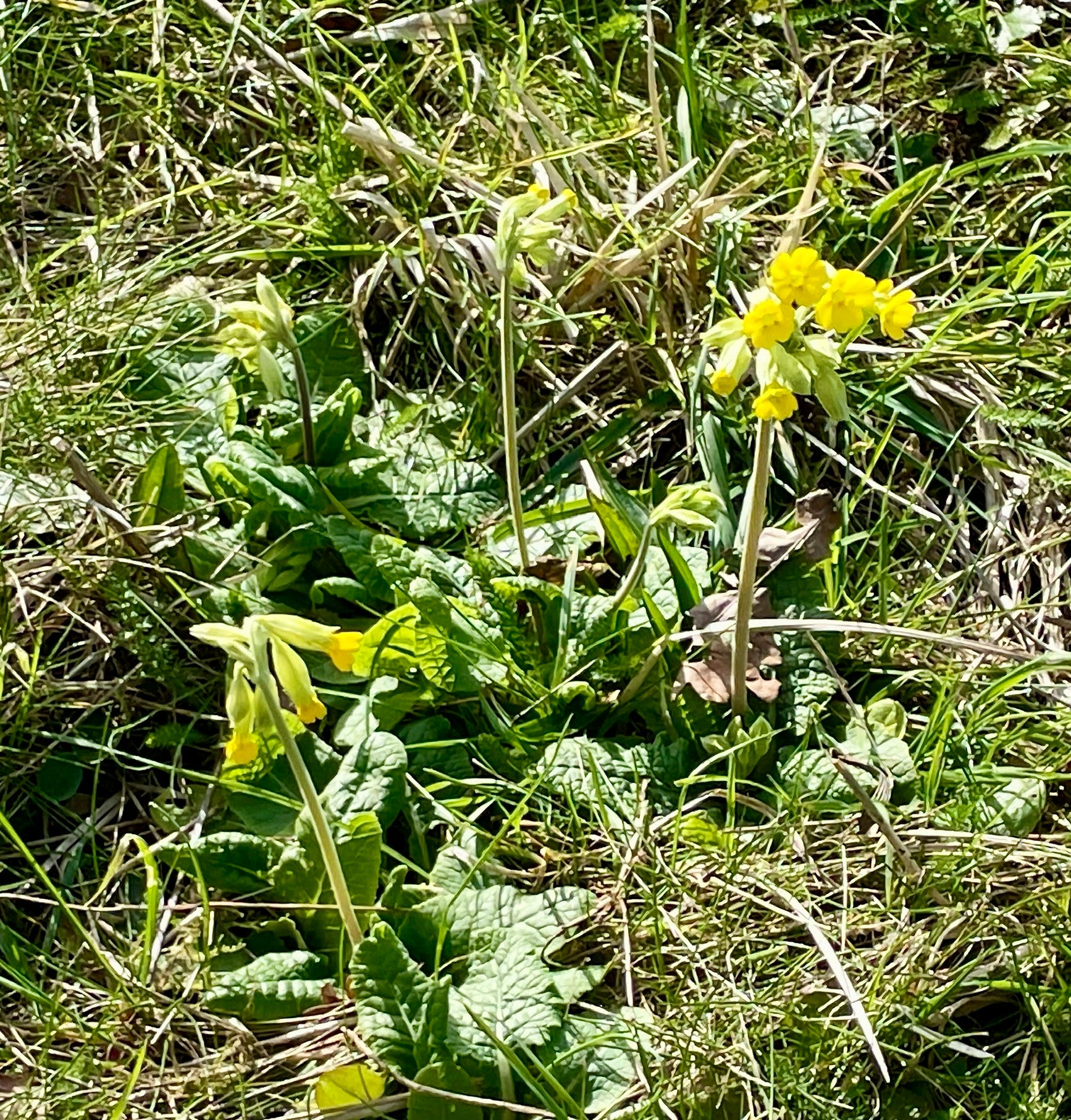
Another lovely day, so back to Courtyard farm, where the cowslips are flowering. Hares lollop away from us; a kestrel hovers in the wind. In the woods, a roe buck, velvet-antlered, watches us before effortlessly leaping away.
Tractors are busy in fields, seed bed preparation and planting. There’s a faint sheen of green now on all the hedges; not the dark green of ivy, but the bright green of new growth.
I try out a partial chapter edit on the writing group, to see if the unfolding events in a meeting of guild merchants makes sense to them. It does, thankfully.
Wednesday March 18
I’m always tired on Wednesdays: I’m not good at evening events, and for the duration of my months in England, my writing group takes up Tuesday evenings. (The 3 - 5 pm meeting time in Canada suits me much better, but I’d miss the group too much not to do this.) I read something light and entertaining for most of the morning, then decide to visit the new library in Lynn.
I’m lucky with the bus: it’s a double-decker, which means I can sit at the top and see over hedges and walls into fields and gardens. This cool spring means the daffodils are lasting for weeks and weeks, and almost every garden is bright with them. Gorse, too, is a brilliant yellow on rough ground, and various Malus and/or Prunus blossom white and pink in both hedgerow and gardens. Magnolias are out, and forsythia flowers in garden hedges.
The library is impressive: lots of tables and desk space with power outlets, open, bright, and with a good local history section. I will most definitely be back.
Thursday March 19
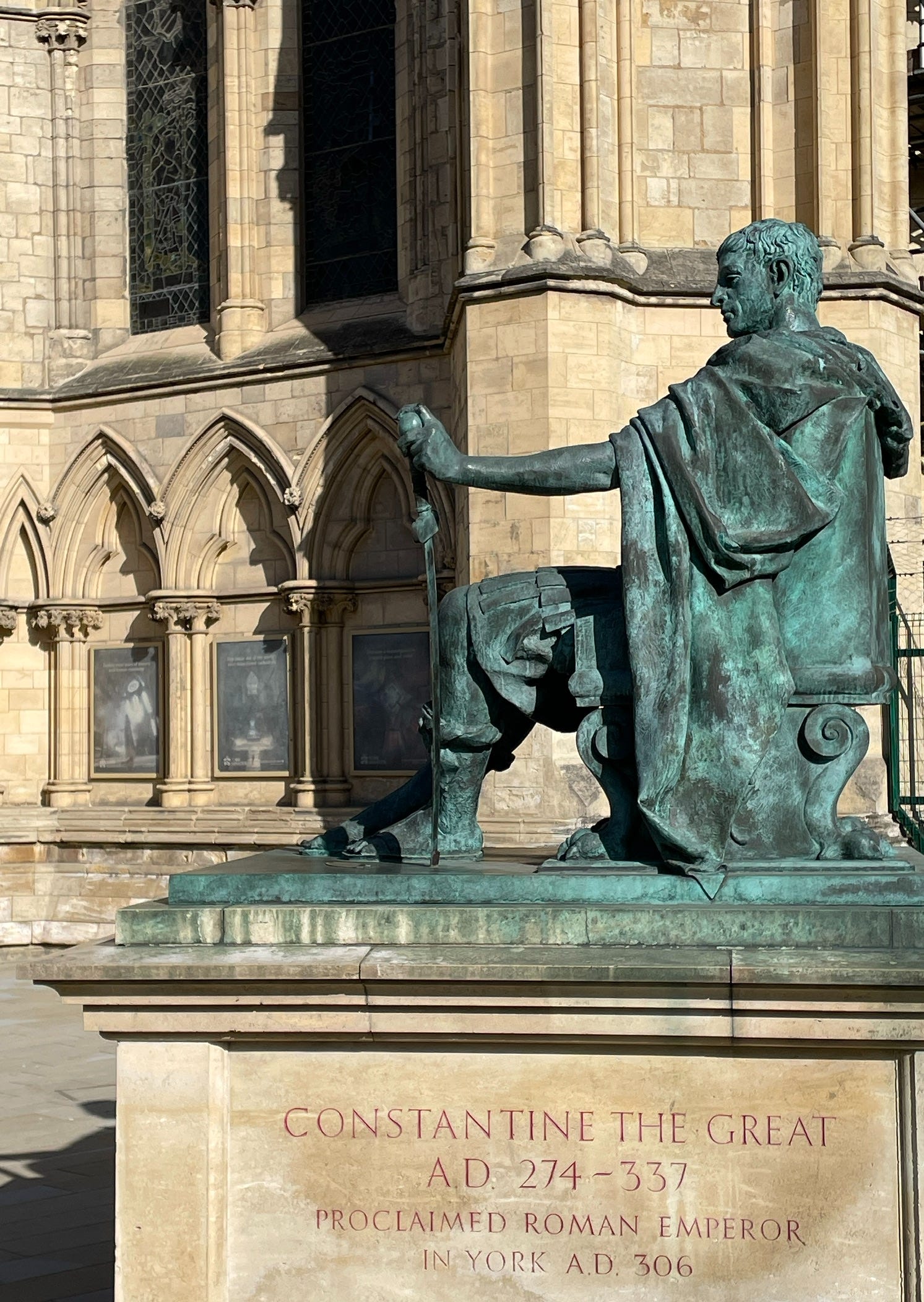
It’s Thursday, so it’s Ely. To listen to teenage voices from the Ely College choir sing a wide range of choral arrangements, from Thomas Tallis to Billy Joel. They are very good, and the presbytery is packed for the recital. Before and after I work on An Unwise Prince, but my mind’s circling around the short story prompt for next Tuesday. It’s a photo of York Minster seen from a street leading up to it, and I know there’s a statue of Constantine the Great in the square, and that York Minster likely stands on or near the forum where Constantine was proclaimed Emperor after his father died. And from there to a conversation between the ghosts of the two Emperors of Rome who died in York, Septimus Severus and Constantius, about who is remembered, and why.
I’ll see where it goes.
Friday March 20.
Spring, at 2:45 pm GMT. We join friends in Holt for brunch at Byfords, the oldest building in the town — somehow it (or at least part of it) managed to survive a fire in 1708 that destroyed everything else. The food is excellent: jammy poached eggs with mushrooms and wilted spinach on sourdough.
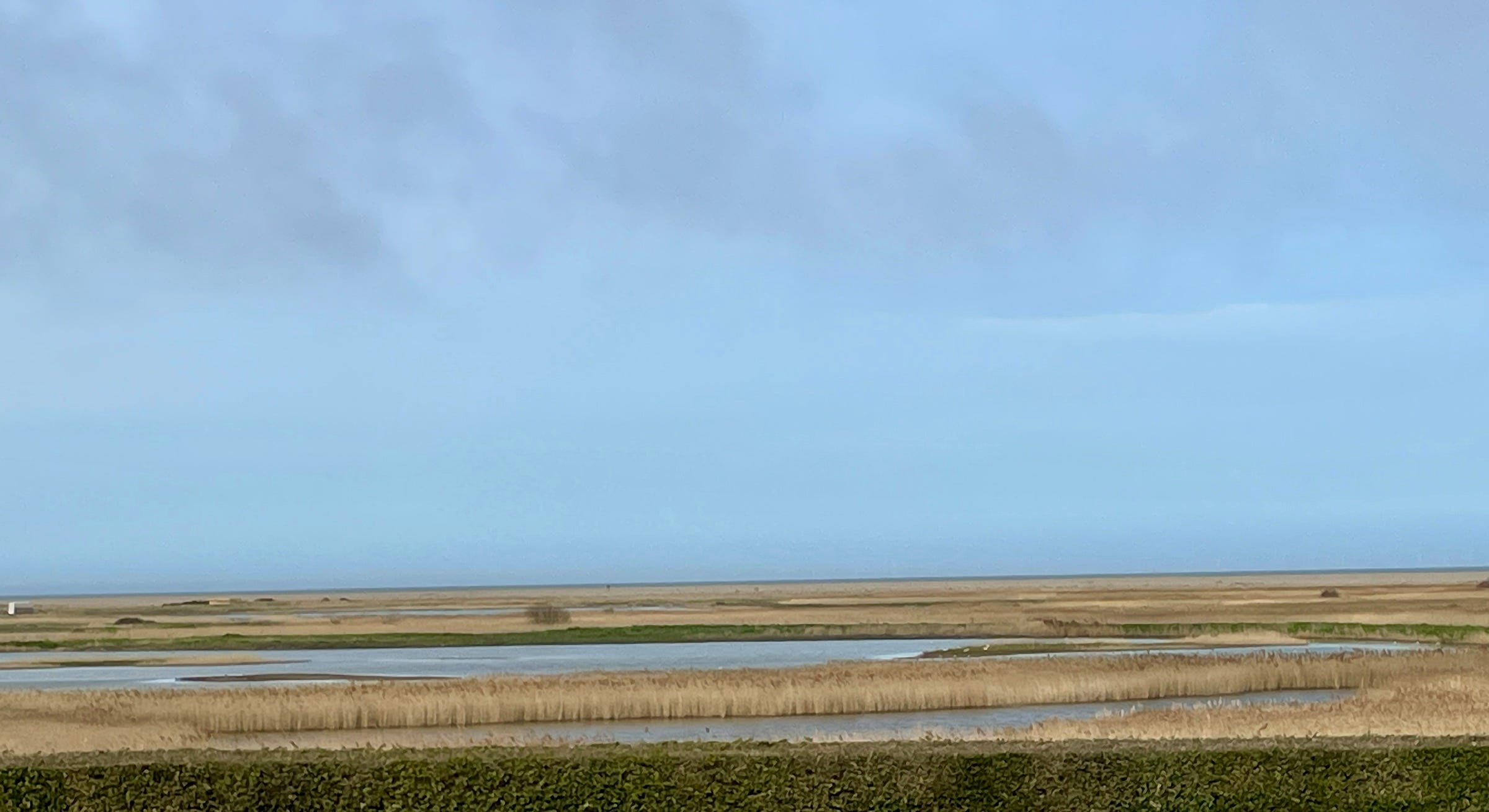
From there, it’s on to the NWT reserve at Cley. There’s a light harr, or sea-fog, but it lifts. On one of the scrapes a ruff is feeding. My hip decides it hates me today — why, I’ve no idea; it was fine an hour earler — so I return to the visitor’s centre for a pot of tea, and then to sit outside on the observation deck and just look and listen to sky and marsh and birdsong.
Saturday March 21
The early morning fog burns off before 9 a.m, leaving us with a brilliantly blue sky. A good day to walk the inner sea wall north from Shepherd’s Port again and look for tundra bean geese, since my hip, could it talk, would be pretending it was never painful.
The Ken Hill marshes are full of waterfowl and a few waders. A female marsh harrier descends into a reedbed so gently it makes us wonder if she’s nesting already. Nor does she rise again with prey. A male is hunting close by, possibly a mate.
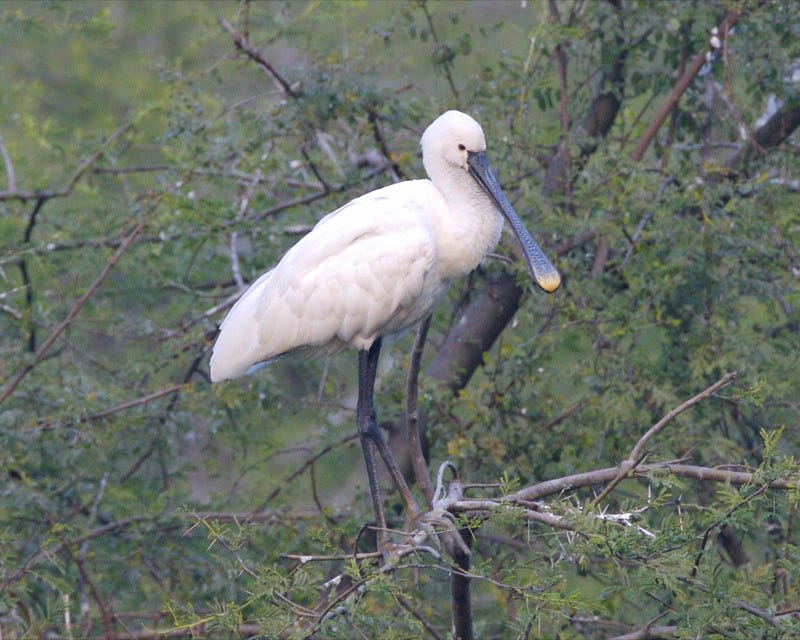
A local birder points out the bean geese for us among all the greylags. We watch them for a while, but north of us we can see white blobs - seven of them - in the same clump of trees and bushes the herons were investigating a couple of weeks ago. Too far away to be certain . . . but they look like spoonbills. Another ten minutes of walking confirms it: seven spoonbills. Delightfully unexpected, although I remember, afterwards, that they nested here last year.
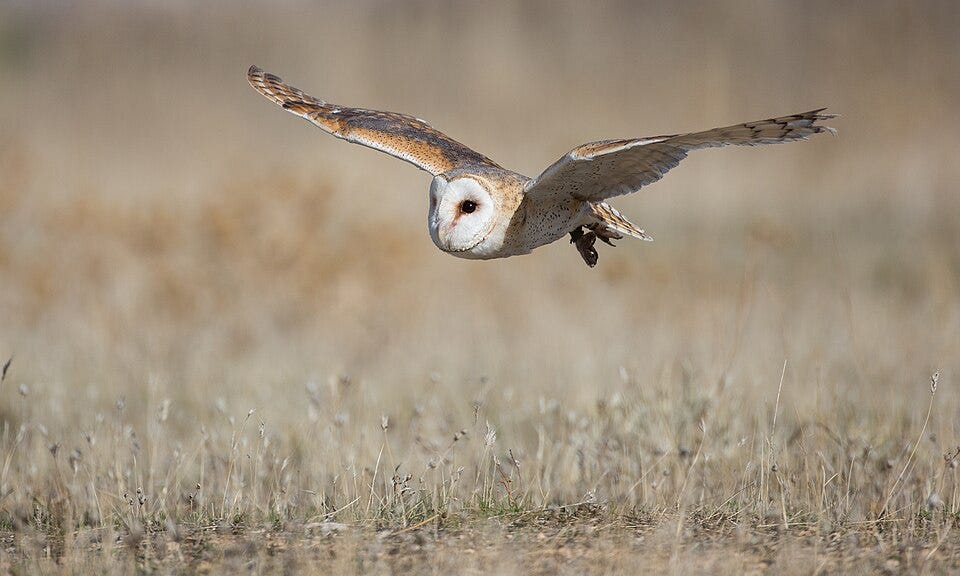
But perhaps the best sight awaits us on our way back to the car: a barn owl hunting. While my birder-naturalist brain asks why is this owl hunting in broad daylight, after days of good weather? my atavistic brain tells me a barn owl on the first full day of spring is lucky. It’s the only barn owl we’ve seen this year, after a hard year for nest success in 2025. I’ll listen to the older part of my brain, and take it as a good omen.