

‘Nothing gold can stay’ wrote Robert Frost, and although the poem is about newness, it’s equally true in autumn. Golds predominate now, deep red-golds, bright sun-golds, delicate pale-golds, already giving way to shades of brown and grey, the sere, austere landscape of November. The wind is strong today, snatching leaves from trees, whirling them, whipping them along paths and mown meadows. Birds stay low, except the crows.


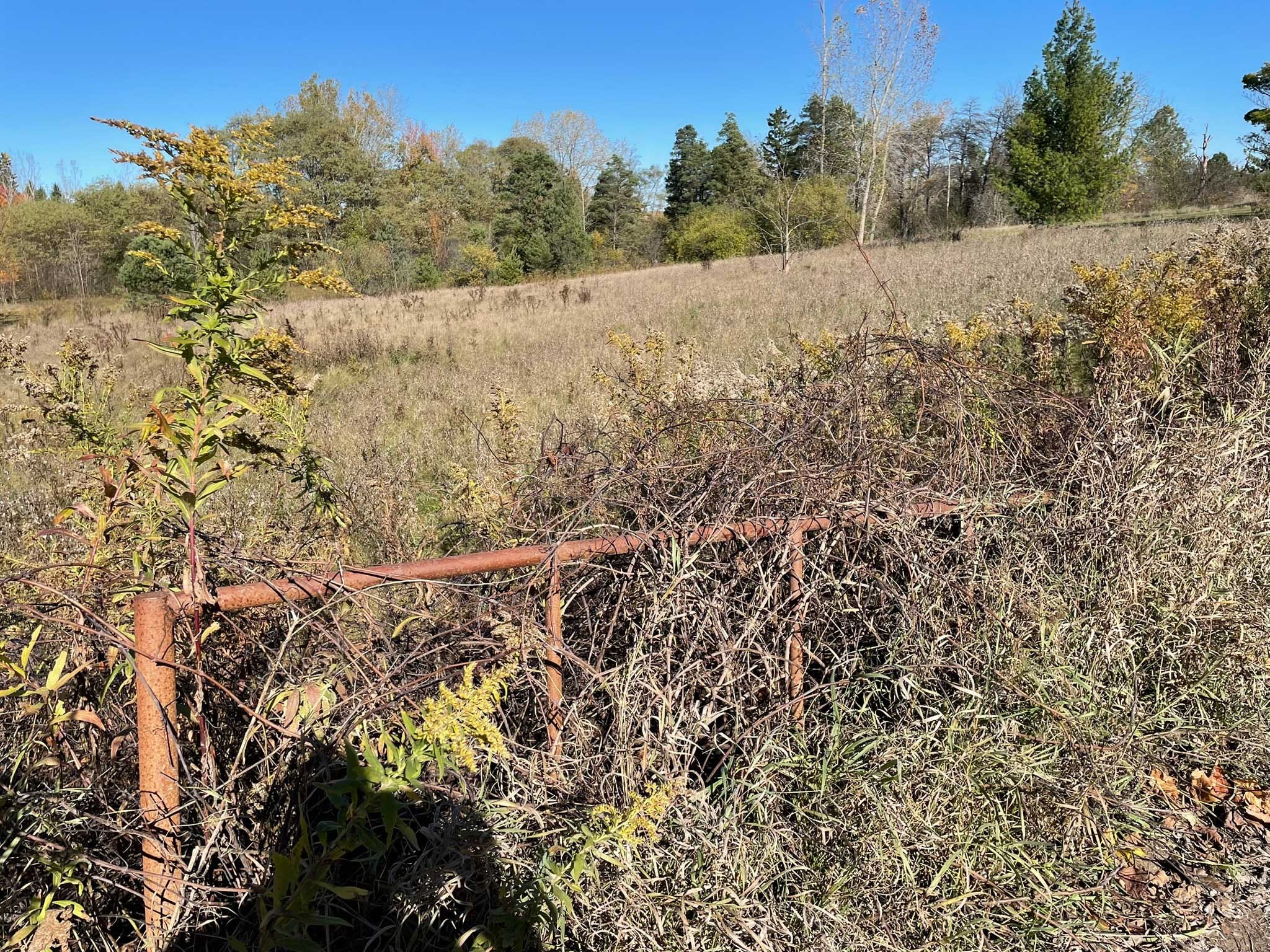
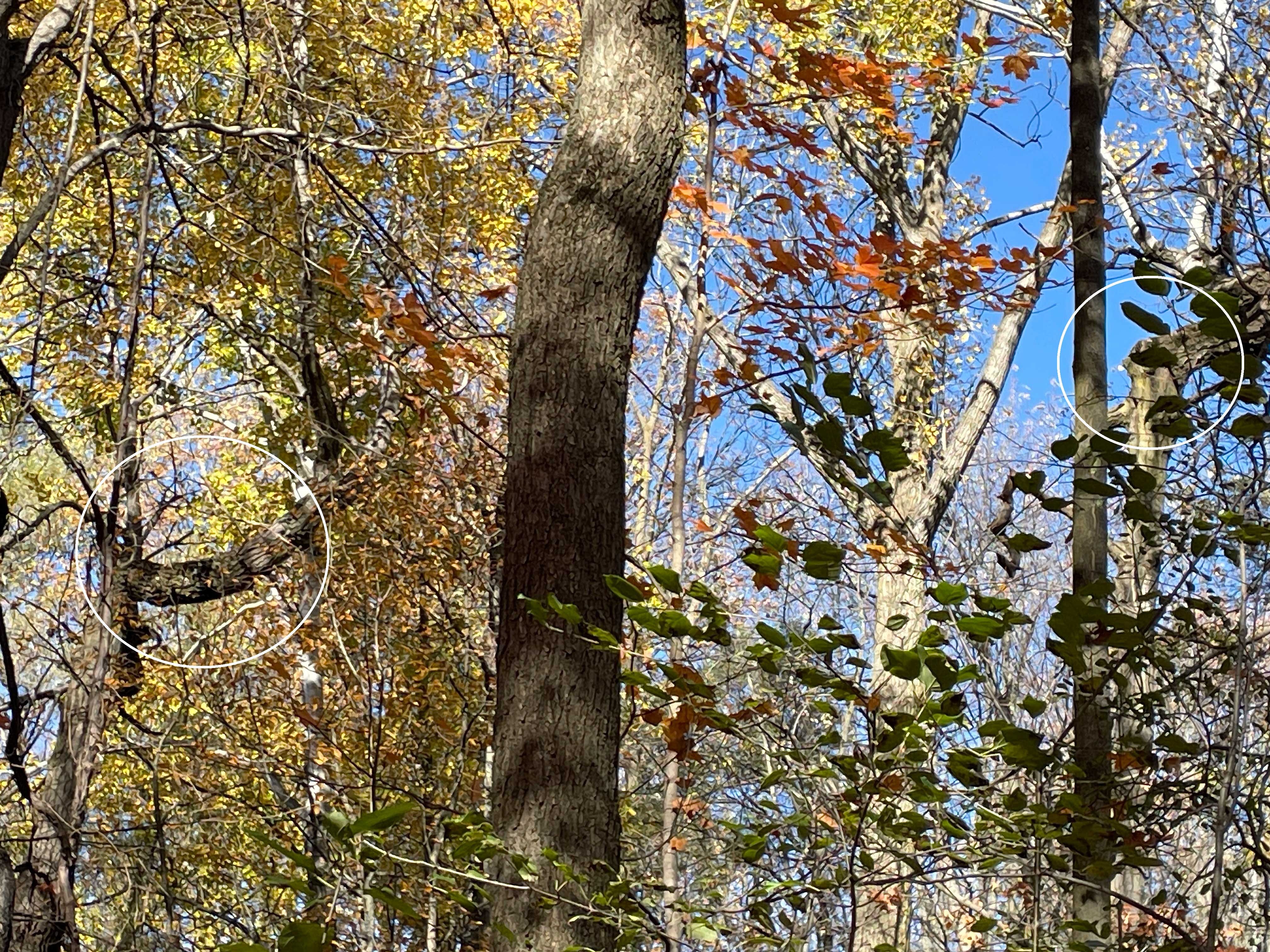
More hidden things are being revealed: an old gate amidst a tangle of grasses and grapevine and goldenrod; the swamp that’s not visible through underbrush in the summer; the U-bends in the trunks of two trees that shows where a third tree fell on them, probably decades past when they were little more than saplings.
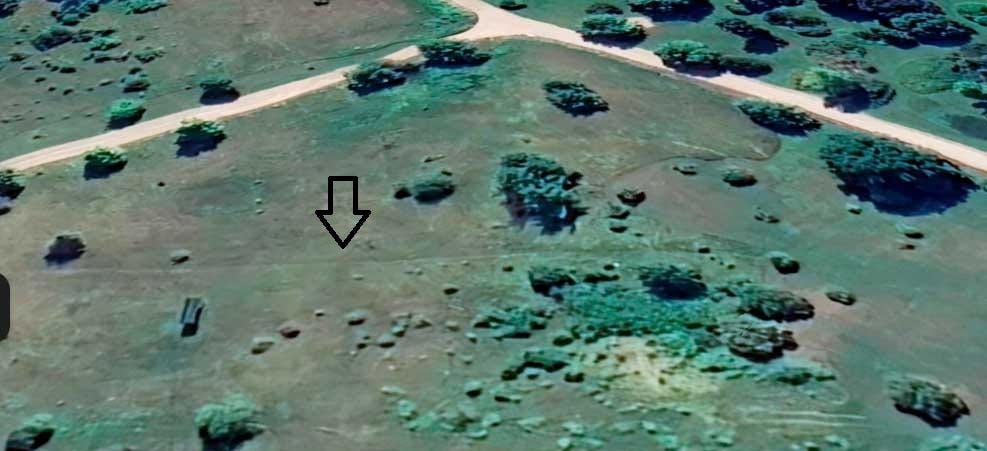
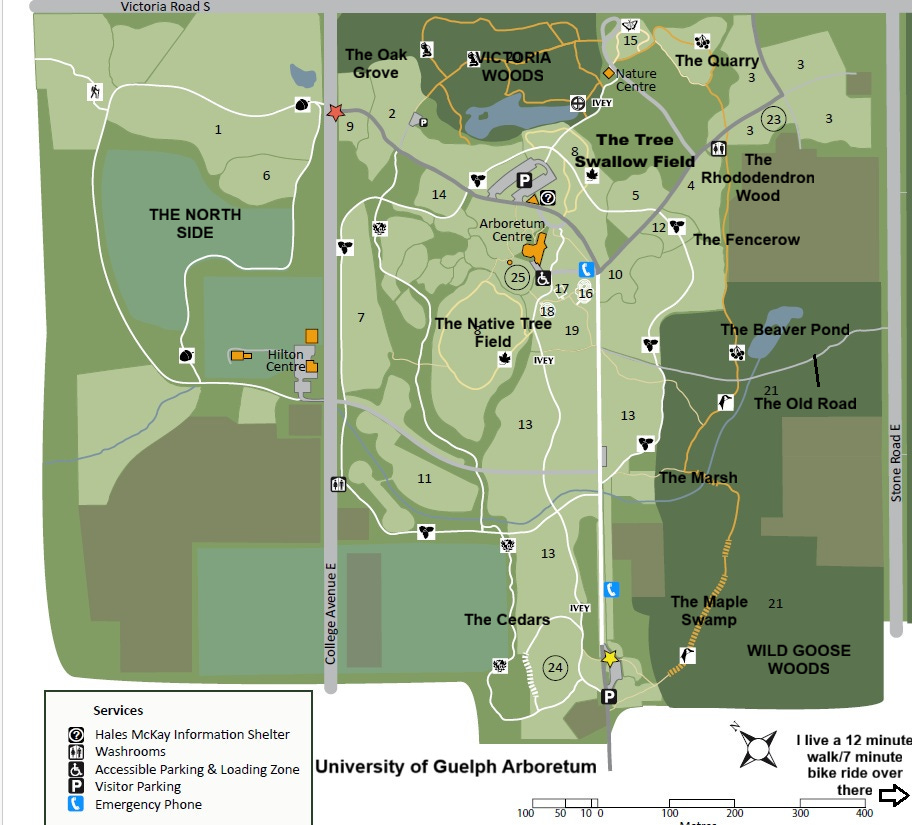
Not all landscape history is discernable to a viewer on the ground. On a satellite map, the line of a property boundary is faintly visible where it crosses the tree swallow field. On Google Earth, I can line this up precisely with the treed boundary further to the southwest, but even with a compass and good sightlines, I can’t find it on the ground. The tree swallow field is uncut meadow, and the ghost of that fenceline or ditch is lost under the billows of vegetation.
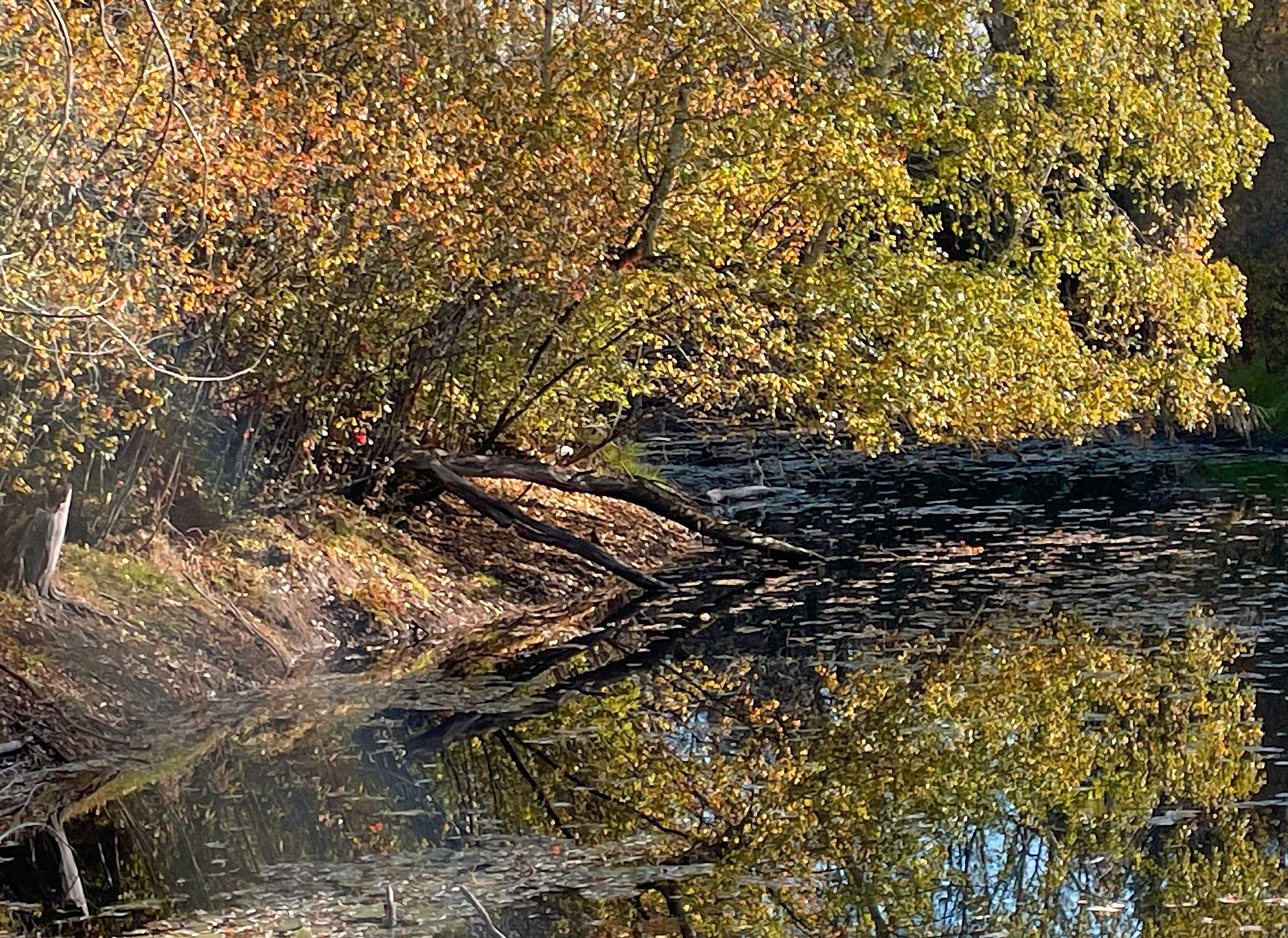
At the beaver pond, the low sun makes a Klimt painting of the trees and water. Just over seven weeks to the winter solstice, the hours in which the sun isn’t in my eyes for part of my walks are shrinking. Birds are often only silhouettes. More reason to look low and close, but that’s still mostly something I’m learning to do. My nature, my default, is for long views, the big picture. I’d have never made a finds archaeologist; I’d have been out there with maps and aerial photographs and LIDAR, looking for trackways and boundaries and ring ditches.
But low and close gives me something new: a purple fungus. I’m guessing it’s Chondrostereum purpureum, silver leaf fungus, but I can’t be sure. Along the same path where I find the fungus, there are patches of bright green vegetation, a low, lobed-leaved plant still untouched by frost or cold, its chlorophyll production increased to take advantage of the light now reaching the forest floor. Energy production goes on until the last possible minute, because this is Tussilago farfara, coltsfoot, the earliest of spring flowers. In early April, bright yellow flowers will line this path. It’s not native to North America, brought by early European settlers probably for its medicinal properties. Something likes it, though: the leaves are well chewed.


Another day of high winds and rain brings down more leaves. There are more on the ground than on branches now, with a few exceptions. November 1 dawns breezy, with patchy cloud, pink-rimmed in the dawn. My mind’s in two places today: remotely attending an archaeology conference in Norfolk, and after the sessions walking in the Arboretum. One of the presentations sent me off looking for publicly available LIDAR (laser imaging, detection, and ranging) images of the Arboretum, which might show field lines and even building footprints, but if they exist, I can’t find them.
Part — half? — the reason behind this three-months’ diary was to keep me grounded here where I live most of the year, to keep my mind and heart from turning too soon to my winter home. (The conference did not help this goal!) There will come a time when that yearly trip is no longer feasible. But it’s also clear I’m not ready for that. My original plan for this record of the weeks leading up to the solstice was to walk the same looped path each day, alternating direction. That soon felt confining, reducing rather than increasing my desire to walk there. Now I take different paths over the week; a better choice, but I’m still just a little restless. Other close-by places call.
***
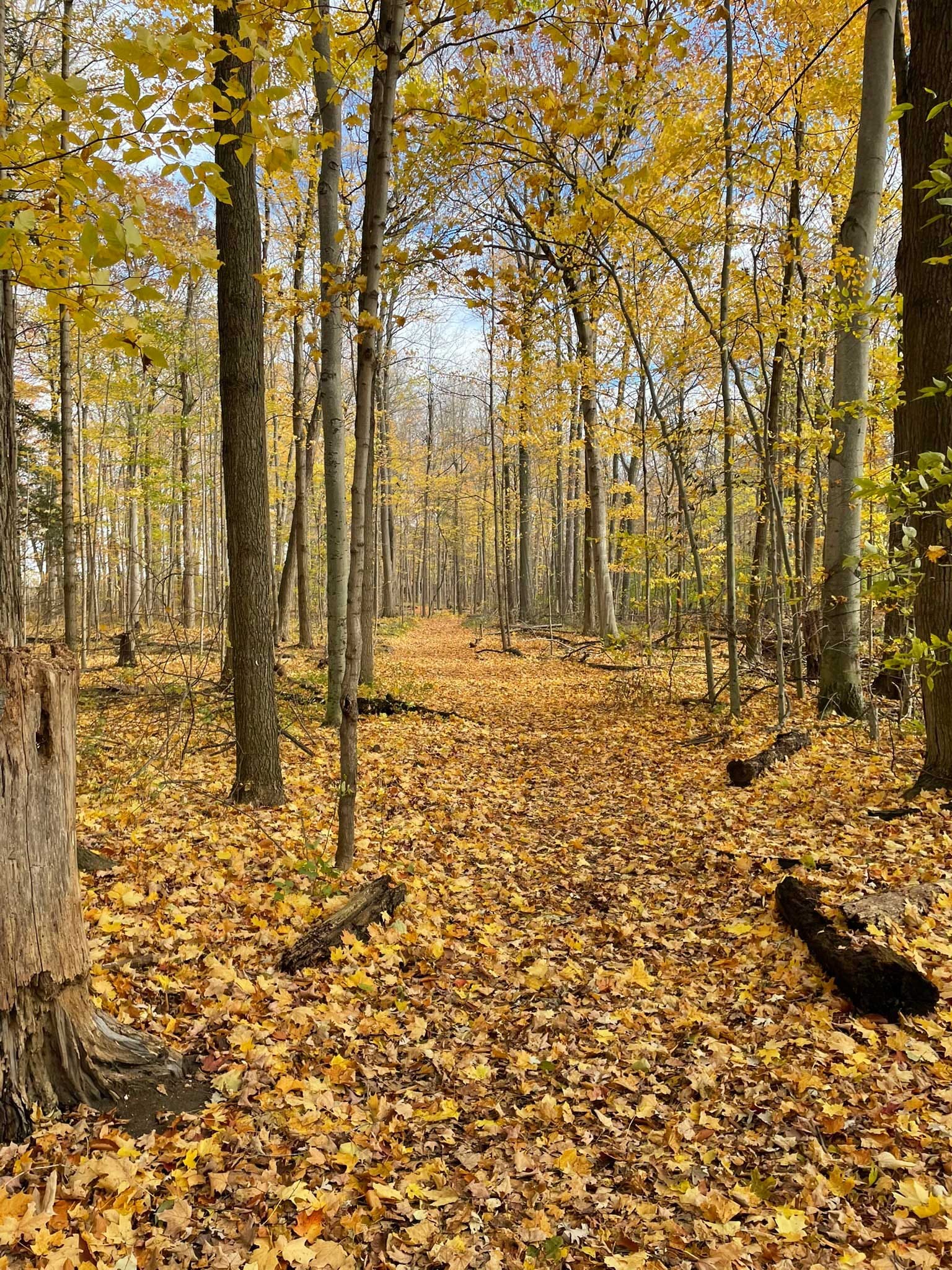
Nothing gold can stay…but today, Victoria Woods glowed.
Until next week,
Marian
Always fascinating Marian, and that last photo is simply gorgeous. I think most archaeologists would agree that it takes both kinds, the ones that sift so carefully through the soil to find their little trinkets wouldn’t know where to start without those that prefer to uncover the footprints of buildings and the traces of boundaries. Thank you for sharing.